Microsol shares lessons learned from the Tuki Wasi Program in the run-up to COP30
Posted on
Share
Microsol's general manager participated as a speaker at an event on national progress regarding Article 6 of the Paris Agreement ahead of COP30 in Belem..
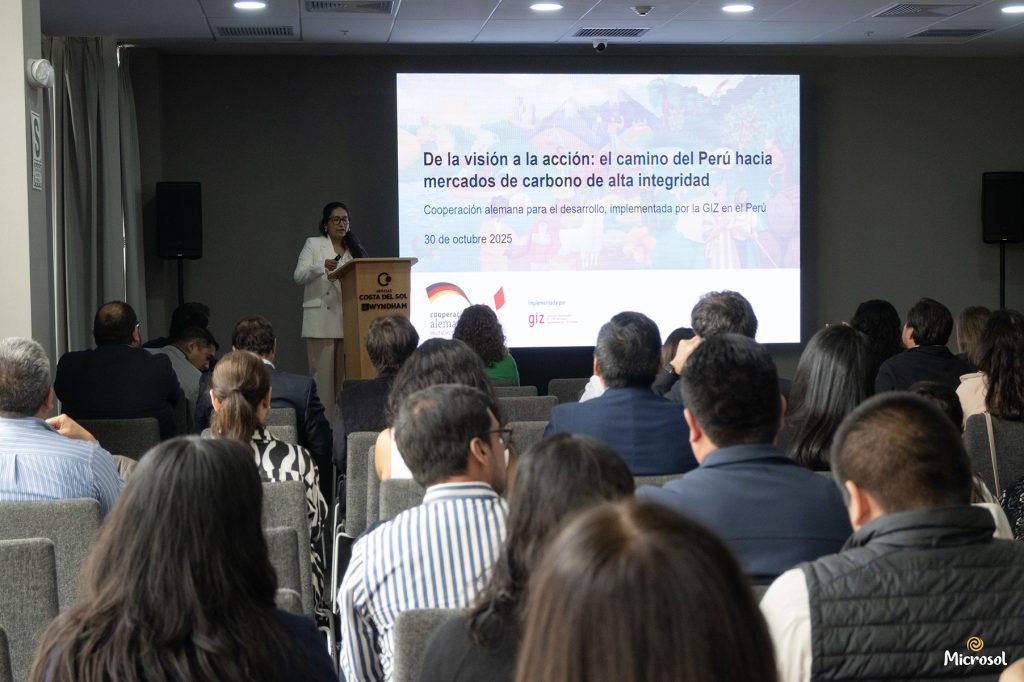
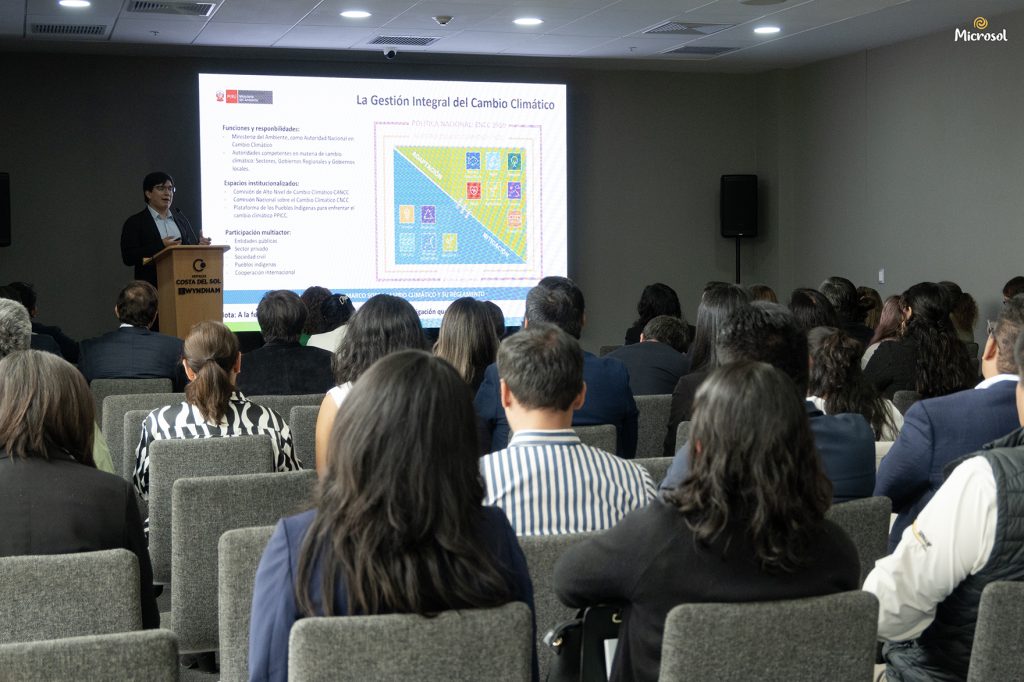
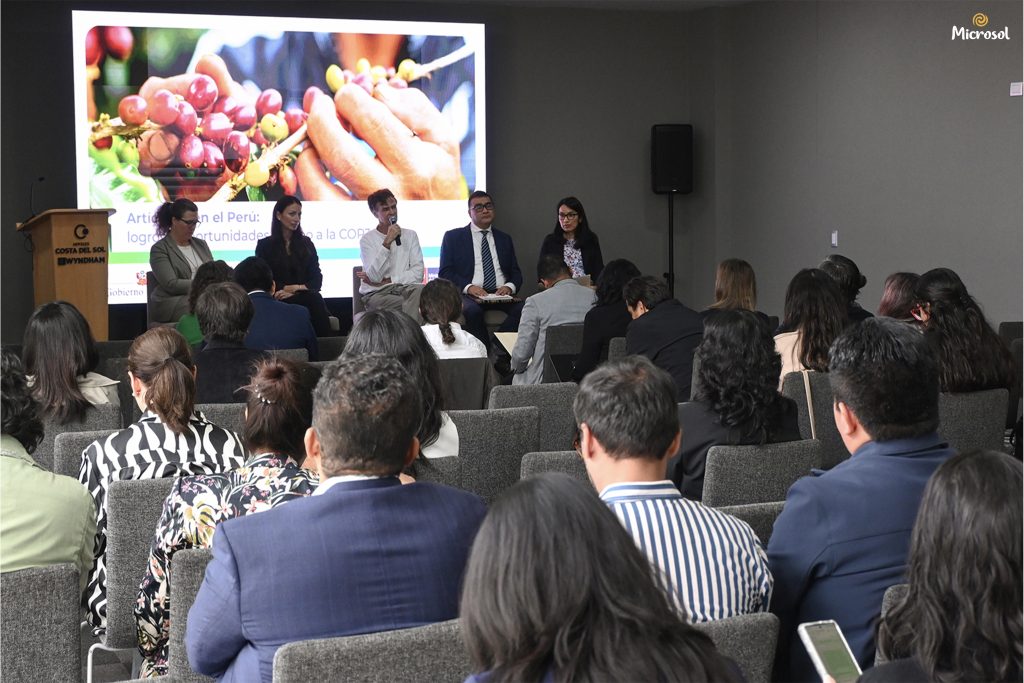
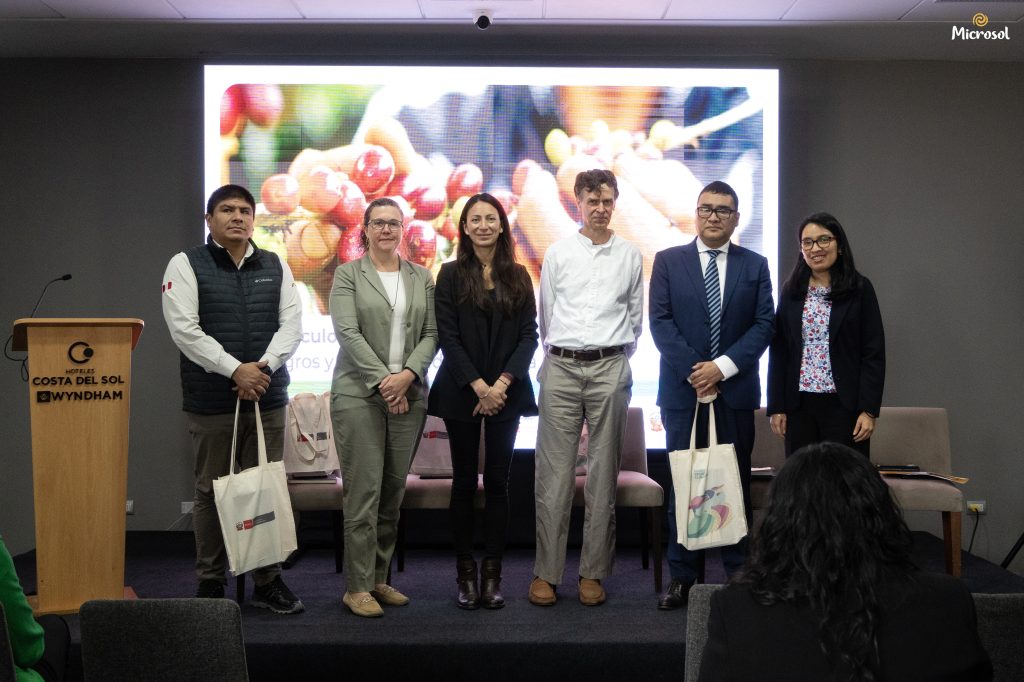
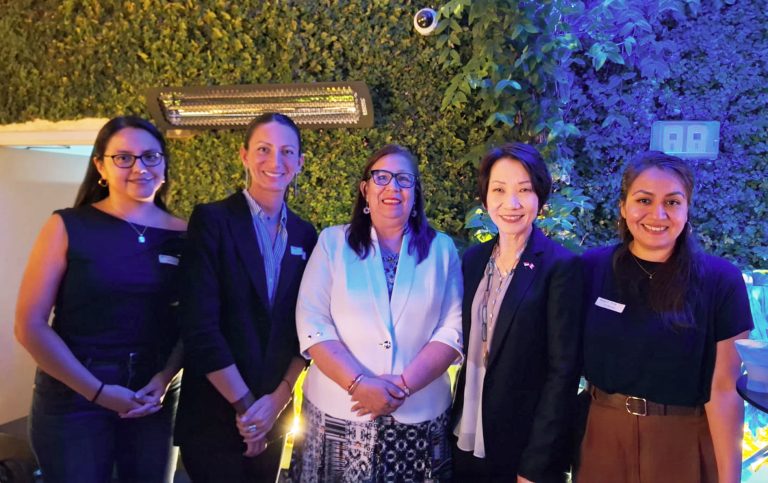
On Thursday, October 30, 2025, the Microsol team, represented by its general manager Yanna Gruel, participated in the event “Article 6 in Peru: achievements and opportunities ahead of COP30,” organized by the Peruvian Ministry of the Environment (MINAM) and the German cooperation agency GIZ, as part of the closing of GIZ's NDC Assist II: Article 6 Capacity Building project. The meeting was attended by representatives from the Ministry of Energy and Mines, the Ministry of Agricultural Development and Irrigation, Sernanp, Klik, and GIZ, with virtual participation from the Perspective Climate Group and the Regional Collaboration Center for Latin America UNFCCC.
The main objective of this event was to present Peru's progress in implementing the carbon market under the cooperative approaches of Article 6 of the Paris Agreement, a process led by MINAM. This event took place in the run-up to COP30, highlighting its strategic nature as a platform for preparation and international projection of climate action in the country.
The day began by highlighting that substantial progress was made at the recent COP29 in operationalizing market mechanisms to reduce emissions and mobilizing climate finance. Next, the current state of climate action in Latin America and Peru was addressed, prioritizing the main regulatory advances in the region, proposals for the third round of Nationally Determined Contributions (NDC 3.0), and the promotion of the carbon market as an instrument of international cooperation under Article 6.
In this context, Peru's climate ambition was highlighted, with 66 mitigation measures currently in place across five emission sectors and 84 adaptation measures across five thematic areas, in addition to the publication of the National Registry of Mitigation Measures (RENAMI), positioning the country as one of the pioneers in the region. In addition, it was mentioned that the country updated its NDCs until 2035, estimating a reduction potential of 70.54 million tCO₂ eq, and that by 2050 it is projected to achieve emissions neutrality.
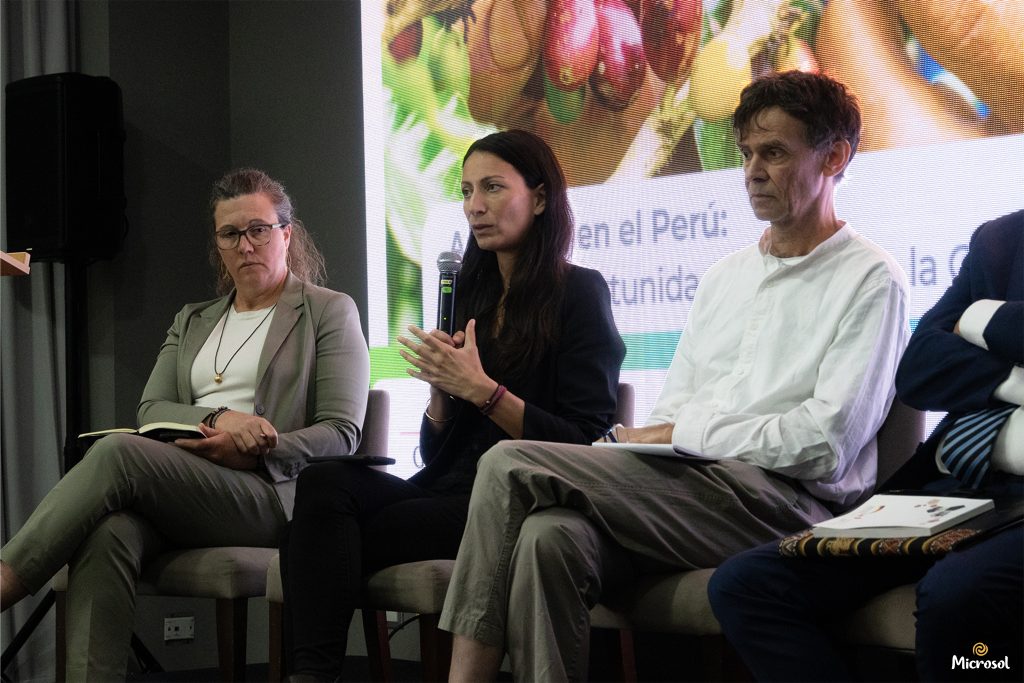
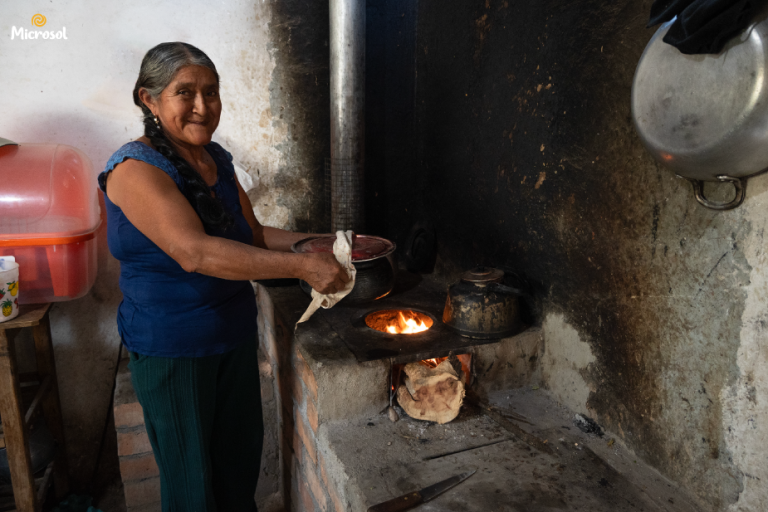
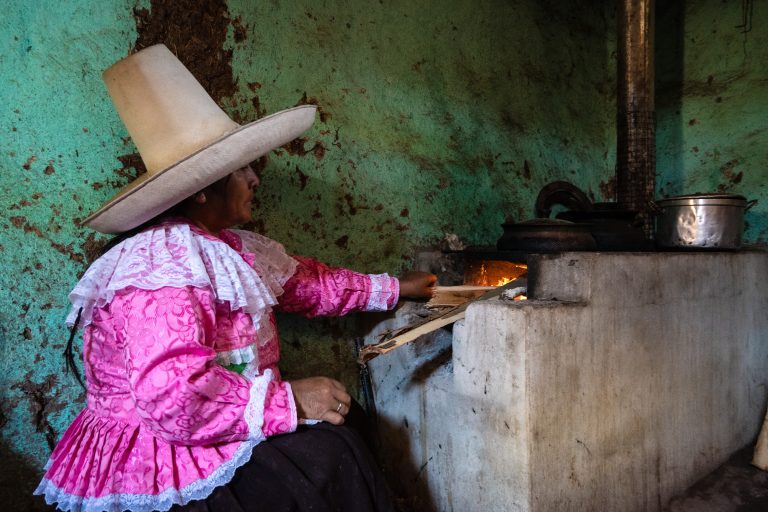
Yanna Gruel, general manager of Microsol, participated as a speaker on the panel “Achievements and lessons learned under the Switzerland-Peru bilateral agreement,” alongside José Meza Segura, director general of Energy Efficiency at MINEM, Jürg Grütter, expert in climate change and transportation and CEO of Grütter Consulting, and Andrea Thurner, director of carbon procurement at the Foundation for Climate Protection and Carbon Offsetting KliK. In this panel, Yanna Gruel shared the experience of the Tuki Wasi Program, identifying the main lessons learned and the key steps that enabled progress toward the potential registration of the program in RENAMI. Part of her presentation focused on mentioning the key aspects of the implementation of the Tuki Wasi Program that could enhance initiatives by other developers interested in coordinating their projects with local communities. Yanna emphasized the importance of having a robust baseline, establishing clear agreements with local communities, and having adequate monitoring, reporting, and verification (MRV) mechanisms in place to ensure the social and environmental integrity of the project.
Microsol's participation in this event strengthens its commitment to climate action and international cooperation, reaffirming its conviction that the collaborative approaches of Article 6 offer a valuable opportunity to combine emissions mitigation with sustainable development and the well-being of communities.
Finally, it should be noted that this year Microsol will also participate in COP30, determined to continue on the path laid out at COP29, contributing national knowledge and experience in carbon markets, international cooperation, and alliances with various actors in the country.